
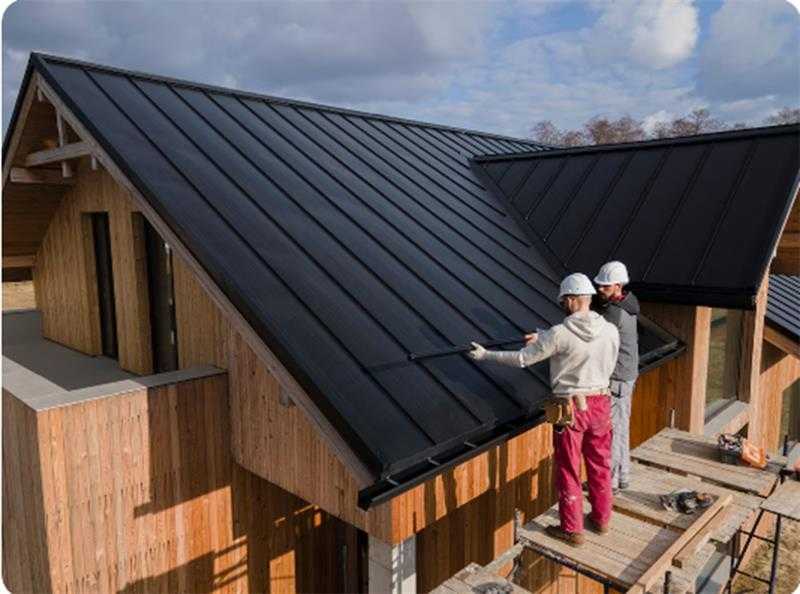
Choosing the right commercial roofer is one of the most critical decisions a Springfield IL business owner or property manager can make. A commercial roof is not just an overhead cover—it protects your investment, maintains the safety of occupants, and ensures business continuity. Hiring the wrong contractor can result in costly leaks, unplanned shutdowns, code violations, and significant financial losses.
With the growing number of roofers in Springfield IL advertising their services, property owners need to understand how to evaluate contractors effectively. This guide provides an in-depth look at qualifications, vetting steps, red flags, and industry standards to help you make informed decisions.
Why Hiring the Right Commercial Roofer Matters
Commercial roofing directly impacts the safety, efficiency, and longevity of a building. Poor installation or substandard materials can result in energy inefficiency, water damage, and accelerated deterioration. Businesses such as industrial warehouses, retail centers, and medical facilities have unique roofing requirements, making the choice of a qualified contractor even more important.
Working with experienced roofing contractors, Springfield IL ensures your roof meets local codes, withstands Springfield’s climate, and supports the long-term operational needs of your property.
Essential Qualifications Every Commercial Roofer Must Have
Before hiring any commercial roofing contractor, verify their credentials, insurance coverage, and certifications. These qualifications protect your investment and ensure the work is done safely and legally.
Licensing Requirements in Illinois
Illinois requires commercial roofers to hold specific state licenses. These licenses confirm that the contractor is qualified, bonded, and legally allowed to perform commercial roofing work.
Hiring a licensed contractor reduces the risk of liability issues and ensures compliance with local building codes. For businesses seeking commercial roofers in my area, verifying a license is a non-negotiable first step.
Insurance Coverage
Commercial roofing projects carry inherent risks. A professional contractor must carry general liability insurance and workers’ compensation coverage.
Proper insurance safeguards your property and employees against accidents, damage, and unforeseen incidents, giving you peace of mind during installation, repair, or replacement.
Certification from Roofing Manufacturers
Reputable roofers maintain certifications from major roofing brands such as GAF, Firestone, Mule-Hide, or Owens Corning. Certified installers are trained in proper material handling, installation techniques, and warranty compliance.
This certification is especially important for commercial metal roofing Springfield IL, commercial PVC roofing Springfield IL, or commercial TPO roofing installations, ensuring long-term durability and coverage.
Experience That Matters: Not All Roofers Are Equal
Experience is crucial for commercial roofing. Unlike residential projects, commercial roofing involves complex systems, larger surfaces, and specialized materials. Selecting a contractor without verified experience can result in costly errors and frequent maintenance issues.
Experience With Commercial Roofing Systems
A skilled commercial roofer should be proficient with various roofing systems, including TPO, PVC, EPDM, modified bitumen, and metal roofing.
Property owners searching for commercial roof installation near me or commercial metal roofers near me should prioritize contractors with hands-on experience in these systems, as improper installation can void warranties and reduce roof lifespan.
Industry-Specific Building Knowledge
Different types of buildings have unique roofing requirements. Warehouses, retail stores, healthcare facilities, and restaurants all require specific insulation, drainage, and load considerations.
A roofer familiar with these differences ensures that your commercial roof is both functional and code compliant. This expertise is especially valuable when searching for commercial roofers in my area.
Portfolio and Case Studies
Reviewing a contractor’s portfolio and case studies demonstrates reliability, skill, and attention to detail. Local projects in Springfield, IL provide proof that the contractor can handle the climate, code requirements, and unique challenges of your area.
Evaluating past work also helps businesses identify trustworthy roofers for services like Commercial Roof Repair Springfield IL, Commercial Roof Leak Repair, Springfield IL, or commercial Roof Repair in my area.
A Complete Commercial Roofing Contractor Vetting Checklist
Using a structured vetting process ensures you select a competent and reliable commercial roofer. Contractor vetting includes evaluating qualifications, asking the right questions, and verifying credentials.
Questions to Ask Before Hiring
Important questions include:
- Crew size and experience
- Emergency availability
- Estimated project timelines
These questions provide insight into the contractor’s capacity and reliability.
Evaluating Transparency and Communication
Reputable contractors clearly explain their process, pricing, and materials. Transparent communication reduces misunderstandings and ensures your project proceeds smoothly.
On-Site Assessment and Inspection Practices
A thorough pre-installation inspection includes moisture scanning, core sampling, and structural evaluation. Contractors who skip these steps risk installing a roof that may fail prematurely.
Understanding Roofing Materials & Warranty Options
Selecting the right material and warranty combination is critical. Springfield’s climate, including freeze-thaw cycles and seasonal storms, influences material performance.
Comparing Commercial Roofing Materials
- TPO roofing: cost-effective, reflective, suitable for flat roofs
- PVC roofing: chemical-resistant, durable, ideal for industrial sites
- EPDM roofing: flexible, long-lasting, excellent for large flat surfaces
- Metal roofing: long lifespan, weather-resistant, ideal for modern commercial buildings
- Coatings: extend existing roof life and improve energy efficiency
Workmanship vs. Manufacturer Warranties
Manufacturer warranties cover material defects, while workmanship warranties cover installation errors. Contractors who provide both, especially commercial roof installation company services demonstrate credibility and confidence in their work.
The Importance of Safety Standards and Compliance
Safety should be a top priority for any commercial roofing project. Contractors must comply with OSHA regulations and implement robust on-site safety measures.
OSHA Requirements
Contractors should follow OSHA safety standards to prevent accidents during installation, maintenance, or replacement projects.
Safety Culture and Training
A formal safety program indicates a contractor’s commitment to protecting employees and clients. Businesses should only hire roofers who prioritize safety, particularly when performing commercial roof leak repair contractors near me or commercial roof repair contractors near me.
Understanding the Roofer’s Process from Start to Finish
Knowing a contractor’s process ensures accountability and minimizes surprises.
Inspection & Assessment
A detailed inspection before providing a proposal ensures accurate estimates and proper planning.
Transparent Proposal & Pricing Breakdown
Proposals should include labor, materials, disposal, timelines, and warranty information. Avoid contractors who provide vague or incomplete quotes.
Project Timeline, Communication, & Final Walkthrough
Ongoing communication, adherence to the project timeline, and a thorough final walkthrough demonstrate professionalism and commitment to quality.
Red Flags When Evaluating Commercial Roofers
Watch for warning signs that a roofer may be unreliable:
- No physical office or local presence
- Lack of insurance proof
- Extremely low bids that seem too good to be true
- Poor or inconsistent online reviews
- High-pressure sales tactics
- Weak or no warranty coverage
Being aware of these red flags helps property owners avoid costly mistakes.
Why Local Expertise Matters
Local contractors understand Springfield IL climate and building codes better than out-of-town companies. Their experience with storms, freeze-thaw cycles, and humidity ensures your commercial roof performs well year-round.
Using a local commercial roofer can also reduce response times for maintenance, emergency repairs, and inspections.
Why Williams Roofing & Construction Is a Trusted Local Partner
Williams Roofing & Construction has decades of experience in Springfield, IL, providing commercial roof installation, repair, replacement, and maintenance services. They are certified by leading manufacturers, follow OSHA standards, provide transparent proposals, and have a proven track record in local commercial projects.
Whether you need commercial metal roofing contractors, commercial PVC roofing company, or Springfield commercial roof replacement, Williams Roofing & Construction offers reliable, long-lasting solutions.
Conclusion
Selecting the right commercial roofer in Springfield IL requires careful research, thorough vetting, and attention to credentials, experience, and communication. Using a checklist, evaluating qualifications, and considering local expertise ensures your business avoids costly mistakes and protects its investment.
Partnering with a trusted company like Williams Roofing & Construction guarantees professionalism, quality, and peace of mind.
Frequently Asked Questions (FAQ)
- What qualifications should a commercial roofer have in Springfield IL?
They should hold a state license, proper insurance, and manufacturer certifications. - How do I know if a roofer is trustworthy?
Check portfolios, client references, online reviews, and transparency in proposals. - How long does a commercial roof replacement take?
Most projects are completed in 1–3 weeks depending on size, weather, and materials. - What is the difference between a TPO, PVC, and EPDM roof?
TPO is cost-effective and reflective; PVC is chemical-resistant and durable; EPDM is flexible and ideal for large flat roofs. - Do commercial roofing warranties cover installation mistakes?
Workmanship warranties cover installation errors, while manufacturer warranties cover material defects.
